
When Grand Narratives Dissolve, We Turn to Extra-Large Expectations
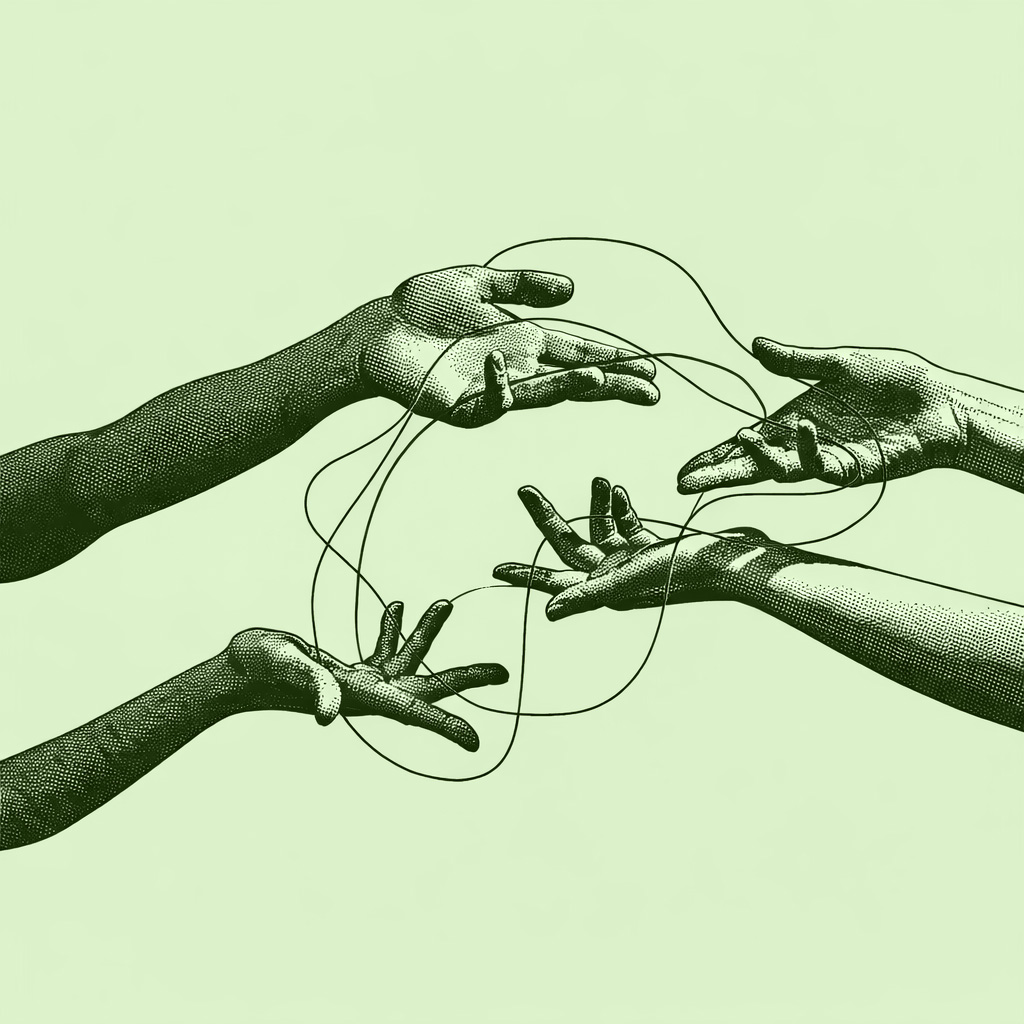
In a fragmented world, where the future appears to have vanished, change does not come from miracle solutions but from emerging expectations grounded in reality. Anti-problems and micro-practices become tools for reading the present, activating experimentation, and building shared horizons – without denying complexity.
Charting the invisible: using network science to understand organizations and business communities
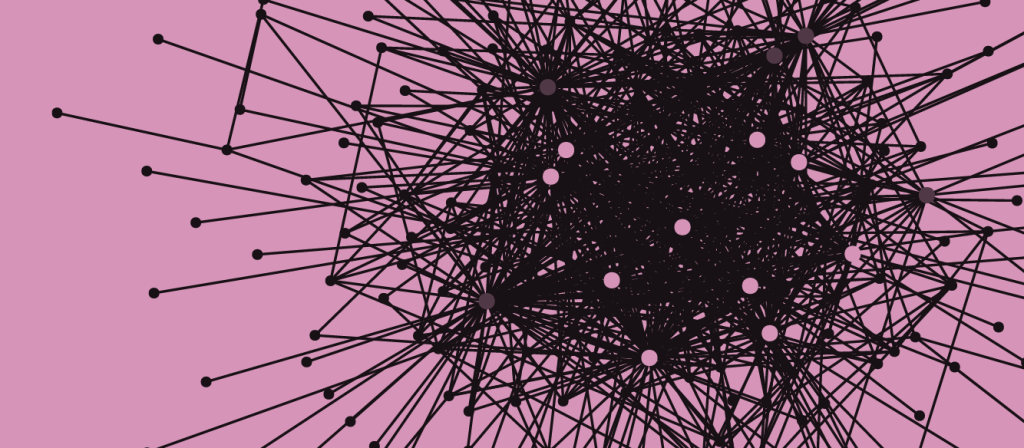
Behind roles and processes, organizations operate as networks of relationships. Using network-science tools, we analyzed posts and replies from a long-standing sales-network business community (October 2023 – July 2025) to understand how information circulates. The results reveal a highly active core, a more loosely connected periphery, and a small set of key users who sustain cohesion and keep the network connected even when some members leave.


Understanding and Designing Community Cybernetics. Living systems to guide, sustain, and measure through their outcomes
Communities are social organisms that must be designed, nurtured, and measured against the impact you want to achieve. Cybernetics helps us see where collective energy is generated and how it can be oriented. An “energetic” community is not enough: rituals, culture, and management are needed to guide action and transformation.

Expectations and Aesthetics: Beauty as Social Glue
In Weconomy 17, beauty returns as a collective need and a form of social glue: not an ornament, but a relational encounter that disrupts, resets perception, and prompts action. In an increasingly standardised world (standardised by AI as well) aesthetics and design become a laboratory for new, authentic, shared languages.<br>

Steering Collaboration Toward the Next Generations. (Finally) Moving Beyond 20th-Century Thinking
Six generations now work side by side, and two centuries meet inside organizations: Baby Boomers still in charge, Gen Z less represented but carrying new expectations. Competitive advantage emerges when work is redesigned with younger people – engagement, recognition, experimentation. Otherwise, stress increases and talent leaves. Longer lives are extending careers: we need tools and active labour-market policies that guide choices and turn ideas into high-quality employment, without replicating 20th-century templates.
We talk endlessly about people. What are we really missing?
In organisations, meaning is being lost. An organisation that operates as a community generates a magnetic pull that allows it to retain the people who matter, attract new ones, help them grow and extend their time within the organisation.