
When Grand Narratives Dissolve, We Turn to Extra-Large Expectations
In a fragmented world, where the future appears to have vanished, change does not come from miracle solutions but from emerging expectations grounded in reality. Anti-problems and micro-practices become tools for reading the present, activating experimentation, and building shared horizons – without denying complexity.


For the Digital Future, Let’s Return to Matter
The Internet’s emancipatory promise may be “dead,” yet it lingers as a ghost within platforms and algorithms. From the fediverse to the hard materiality of hardware and the resource-intensive footprint of AI, the piece examines a post-digital landscape shaped by political tensions and digital militarization.

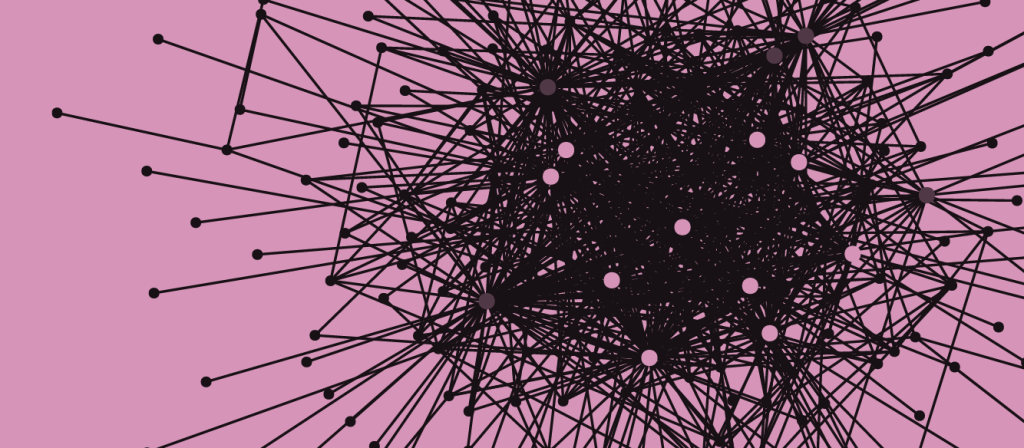
Charting the invisible: using network science to understand organizations and business communities
Behind roles and processes, organizations operate as networks of relationships. Using network-science tools, we analyzed posts and replies from a long-standing sales-network business community (October 2023 – July 2025) to understand how information circulates. The results reveal a highly active core, a more loosely connected periphery, and a small set of key users who sustain cohesion and keep the network connected even when some members leave.


Understanding and Designing Community Cybernetics. Living systems to guide, sustain, and measure through their outcomes
Communities are social organisms that must be designed, nurtured, and measured against the impact you want to achieve. Cybernetics helps us see where collective energy is generated and how it can be oriented. An “energetic” community is not enough: rituals, culture, and management are needed to guide action and transformation.
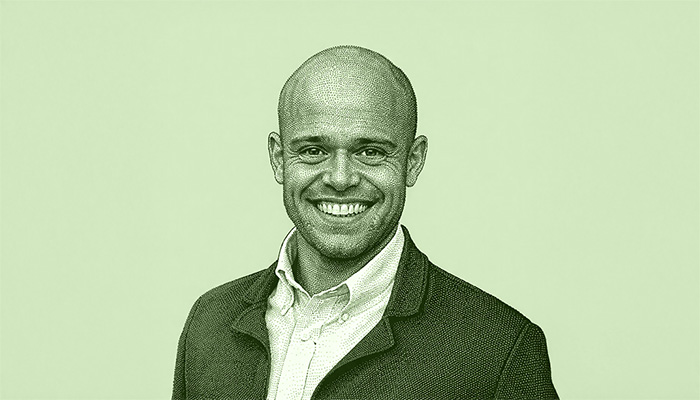

Collaborating with the Oracle: Core Skills and Cognitive Challenges for Navigating the Generative Era
As generative AI becomes embedded in everyday study and work, systems are improving through deep research and RAG, with a marked reduction in hallucinations. At the same time, they may displace workers. This makes sustained training essential – building core competencies, including digital citizenship skills. AI should be used as support, not as a substitute for thinking.<br><br><br>
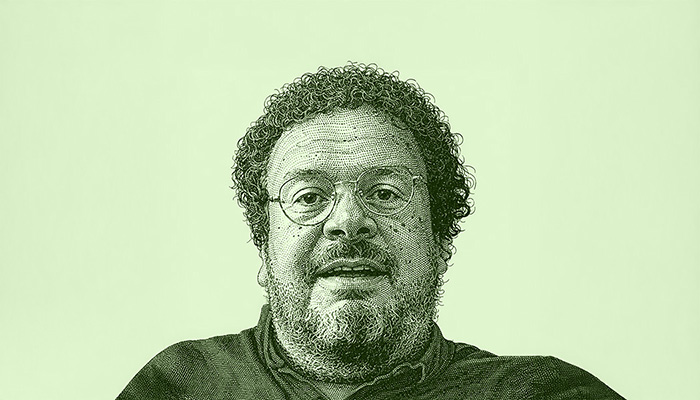

Interacting with AI to (Re)Discover the Value of Incompleteness
With generative AI, the relationship shifts: from tool to interlocutor. Five interaction protocols – exploratory, verificatory, delegative, interrogative, and dialogic – help make practices and responsibilities explicit. In organizations, this calls for transparency, a shared culture, and generative leadership.


Extended Intelligences to Serve Real-World Problems
In a fragmented world, extra-large expectations emerge from signals and practices already taking shape. In the domain of intelligences, this means moving beyond the race for benchmarks and grounding AI in real problems, and in networks of human and non-human agency. The anti-problem method and extended cognitive hygiene help prevent workslop in agentic spaces.
Aesthetics of Diversity and Sharing: Reclaiming Design’s Capacity for Change
Question the assumption that there are no real alternatives to branding, a dehumanising ideology that colonises even the non-profit world. Post-branding argues for transparency, open-source principles, and participatory practice. As AI concentrates on the predictable, design’s distinctly human task is to build connections that can still generate change.
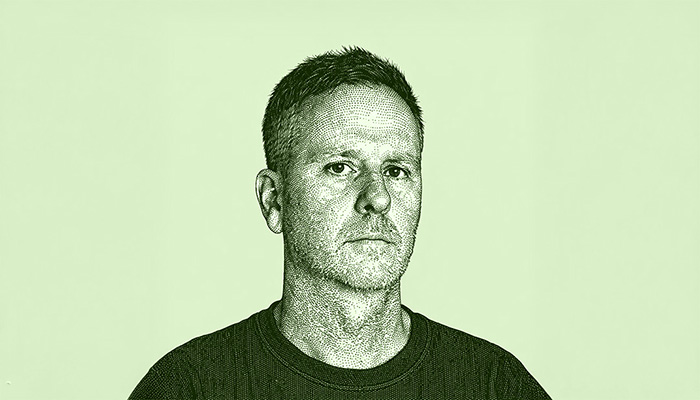

Expectations and Aesthetics: Beauty as Social Glue
In Weconomy 17, beauty returns as a collective need and a form of social glue: not an ornament, but a relational encounter that disrupts, resets perception, and prompts action. In an increasingly standardised world (standardised by AI as well) aesthetics and design become a laboratory for new, authentic, shared languages.<br>

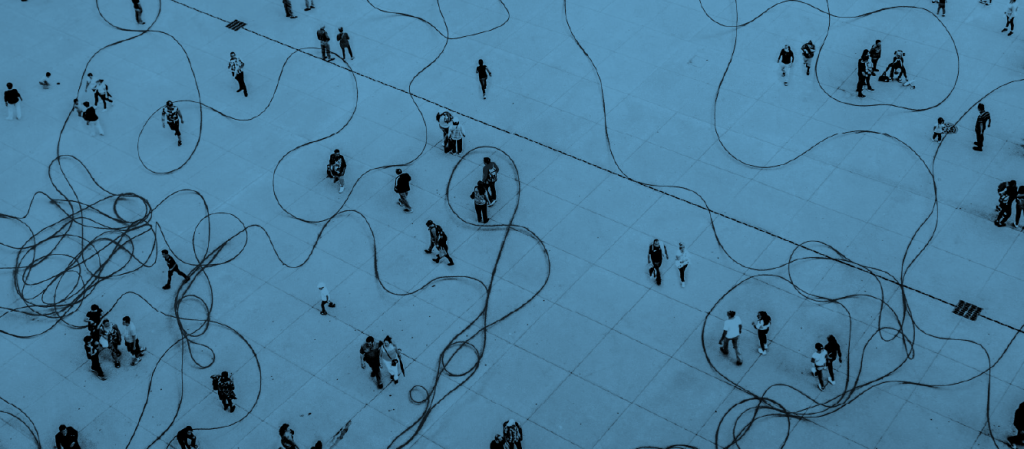
What Are We Waiting For? Imagination Is Fueled by Our Lived Experience
In a present shaped by "FLUX", waiting for the future is not enough: it calls for concrete action and experimentation. Emerging social expectations become a compass for imagining and acting together – rethinking metrics and the responsible use of AI within networks.

Le Monde (des Affaires) Diplomatique: Is Diplomacy the Only Path Forward?
Geopolitics is moving into the heart of business: it is no longer a topic for specialists. With overlapping crises and the emergence of new blocs, companies must read markets, regulation, and consumption as political signals. When the big players clash, smaller ones pay the price. What’s needed is a “diplomatic” company – able to adapt, understand different cultures, and build collaboration.


Leading in Times of FLUX: Strategy and Leadership in the AI Era
In FLUX times, leaders cannot stop at describing uncertainty; they have to act. The model offers four lenses – Fast, Liquid, Uncharted, Experimental – to decide faster without losing direction: a clear North Star, Tier 1 and Tier 2 choices, strategic sprints, and micro-experiments. Trust, values, and networked ways of working hold pace and execution together in the AI era.